
Saving energy starts with insight. Not with an investment file.
In most installations, loss is spread across points that each seem too small to address individually: an open steam trap, a flange connection leaking under stress, an uninsulated valve, a filter with too much pressure drop. Together, they determine your energy bill.
An audit identifies these points and prioritises them. Often, this includes interventions that pay for themselves within a year — while simultaneously limiting your downtime and maintenance costs.
Flange connections
A flange connection is more than just the gasket
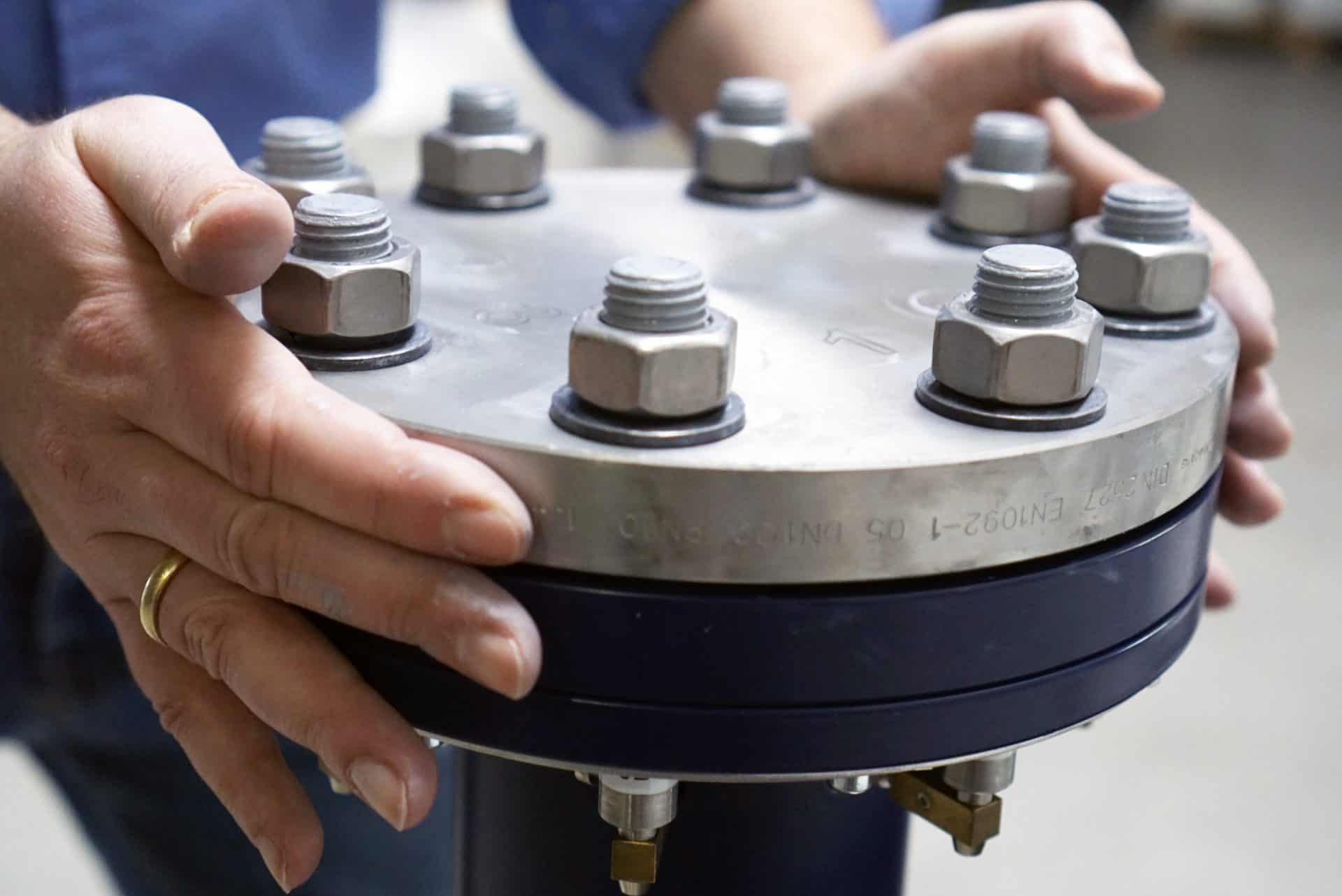
The right seal prevents leak and pressure loss. However, a connection that is not correctly assembled will leak even with the best gasket. The tightening torque, the sequence, the condition of the sealing surface: that is craftsmanship, and that is where things usually go wrong.
We start with an audit of your flange connections and the materials used. You then receive advice highlighting the points where you can achieve the fastest results: better sealing, less energy loss, and lower maintenance costs.
Our seals comply with current standards. Furthermore, we train your team in assembly methods that ensure a connection remains tight even five years from now.
Steam and condensate system
This is usually where the greatest gains are found.
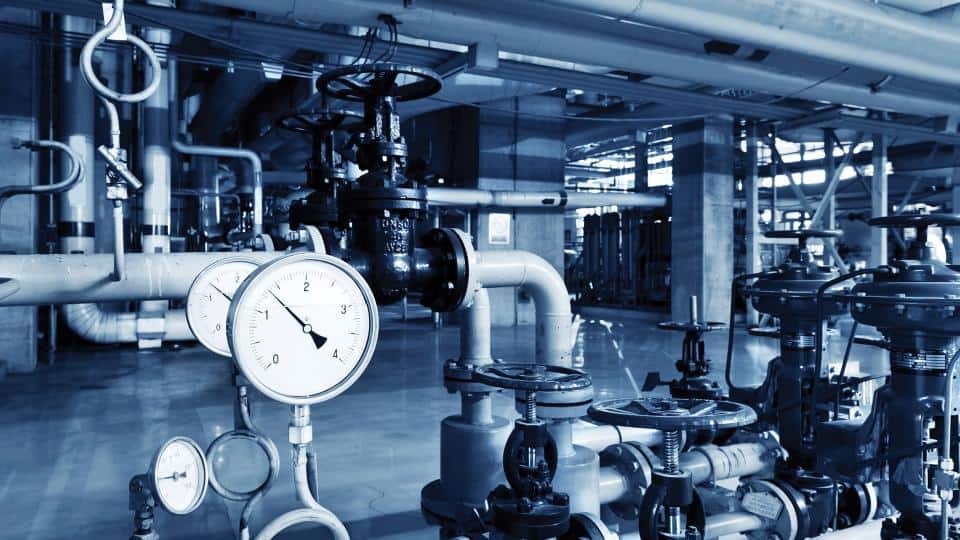
Steam is the most expensive form of energy in your installation, and simultaneously the form that most easily leaks away unnoticed. A steam trap that remains open continuously lets live steam through without any alarm being triggered.
What an optimisation of your steam and condensate system delivers:
- Lower fuel costs and reduced CO₂ emissions
- A safer installation, with less water hammer and pressure build-up
- More reliable process and fewer unexpected outages
- Longer service life for shut-off valves, control valves, and steam traps
- More stable production and shorter batches due to more consistent steam quality
- Lower maintenance costs
Insulation of valves and ancillaries
Pipes are insulated, valves are not.
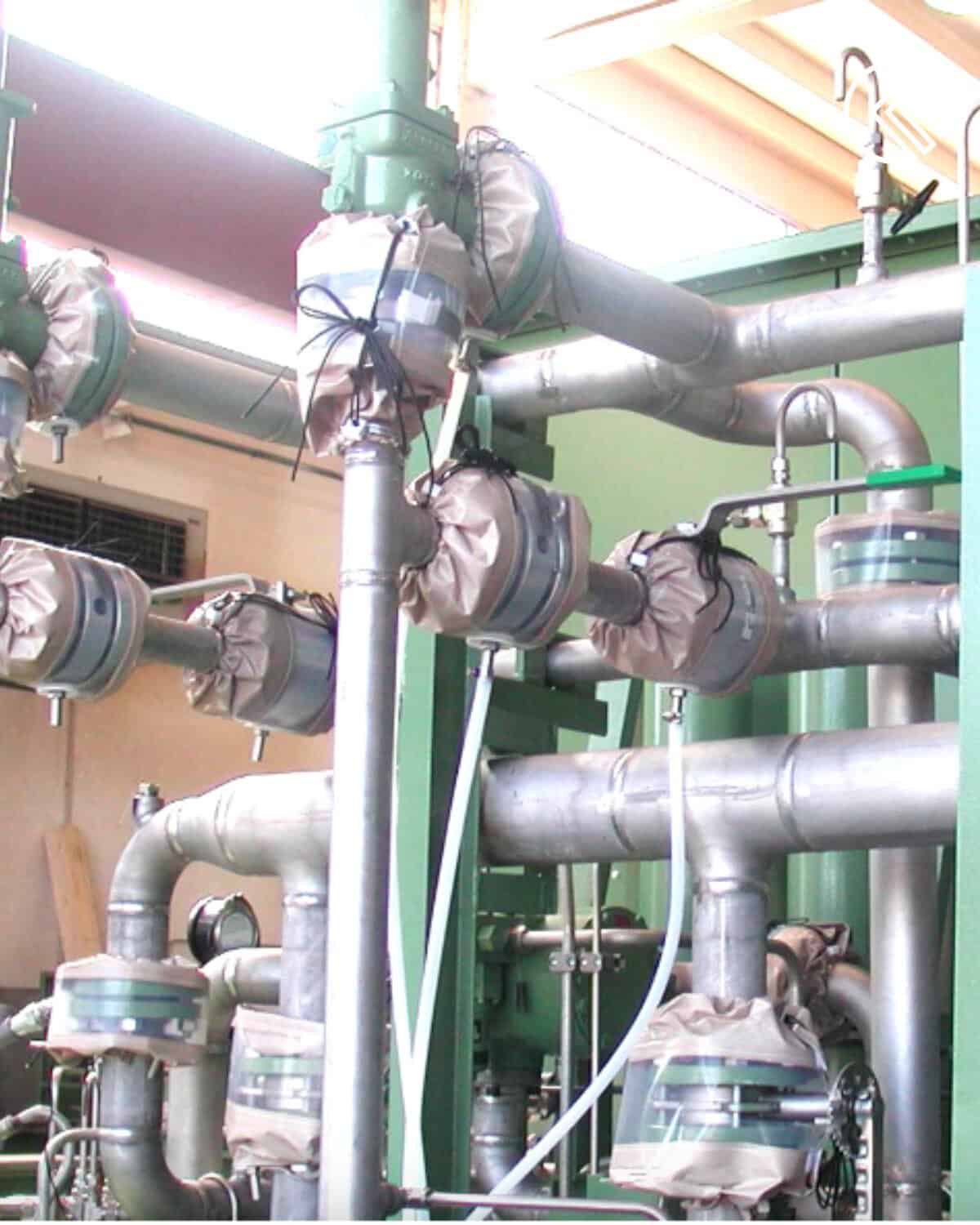
This is not negligence but common practice: fixed insulation must be broken off during every inspection, so it often simply stays off. The result is that valves in an otherwise well-insulated network represent the largest remaining loss.
A DN100 valve at 180 °C radiates approximately 1.2 kW — about €580 per year based on 8,000 operating hours. Per valve. A removable insulation jacket eliminates most of that loss while remaining easy to dismantle for maintenance.
Valves
The right valve in the right place.
An incorrectly chosen valve type costs you in two ways: in pressure loss when it is open, and in leak loss when it is supposed to be closed. The former is a permanent energy cost, the latter a variable one.
The KLINGER butterfly valve has a low breakaway torque. This does not save process heat — that would be an exaggerated claim — but it does mean you can use a smaller and more cost-effective actuator, and the seal wears less quickly. Less wear means a longer service life and less downtime for repair or replacement.
Filtration
Lower pressure drop means less pumping energy.
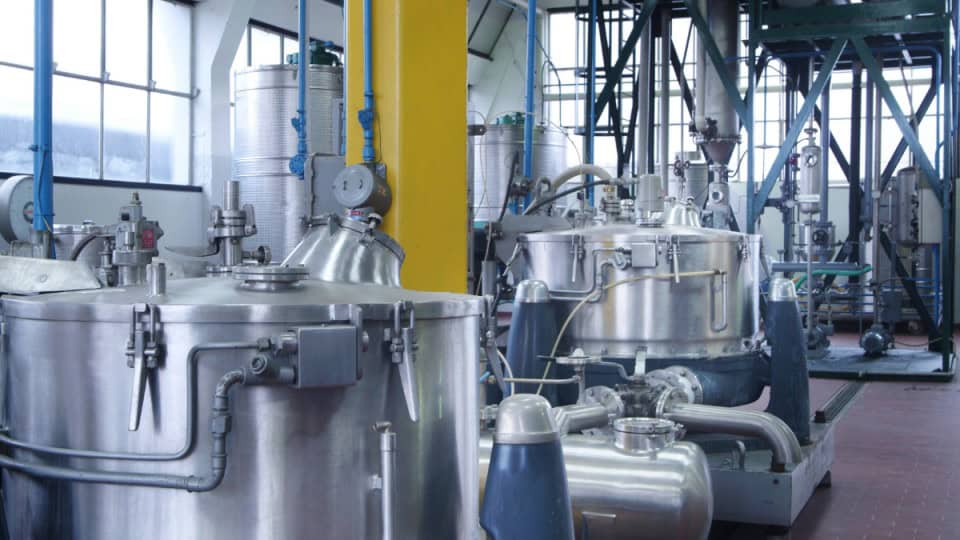
Every millibar of unnecessary pressure drop caused by your filter must be compensated for by a pump or fan. In continuous operation, this adds up.
The right filter technology delivers:
- Lower energy costs in air, gas, and liquid systems
- Longer lifespan of the downstream installation
- Less maintenance and fewer filter changes
- A more stable process
Where would you like to start?
An audit does not have to cover your entire installation immediately. Start with the area where you suspect the most loss, and expand based on what you find.
Schedule a meeting with an expert